Ever wondered why your British friend says “It’s not my cup of tea” instead of “I don’t like it”? A well-curated list of idioms and their meanings can untangle these linguistic riddles and level up your conversational game. For seasoned hobbyists or language enthusiasts, mastering idioms isn’t just about sounding clever—it’s about bridging cultural gaps and avoiding awkward misunderstandings. Let’s break down some common idioms, group them by theme, and figure out how to drop them seamlessly into daily chatter.
Time-Related Idioms That Keep You on Schedule
Time is money, and these idioms help you communicate urgency or leisure with flair. “In a jiffy” means something happens quickly, while “hit the sack” simply means heading to bed. Then there’s “time flies when you’re having fun,” which captures how fast moments can blur. For planning, jot down these phrases in a daily prep list like the one below to ensure you use them correctly before your next coffee date.
Pairing idioms with tasks—like noting “beat around the bush” when drafting a report—keeps them fresh in your mind. This method turns learning into a habit, not a chore.
Success and Failure: Idioms That Celebrate (or Comiserate)
When you hit the jackpot, it’s time to bite off more than you can chew—oops, maybe not. These idioms reflect life’s highs and lows. “Caught in a pickle” describes a tight spot, while “the world’s your oyster” means opportunities abound. Use them to sound empathic or optimistic, depending on the situation. For instance, if a friend nails a project, “You’ve really hit the jackpot>” feels more genuine than a generic “Good job.”
Communication Hacks: Idioms to Avoid Misunderstandings
Idioms can trip you up if misapplied. “Let the cat out of the bag” means revealing a secret accidentally, not literally freeing a feline. To prevent faux pas, pair phrases like “spill the beans” (another secret-spoiler idiom) with context. If you’re explaining a sensitive topic, try “under the weather” to describe feeling unwell without oversharing. These phrases act as linguistic shortcuts, streamlining complex ideas.
Organizing Your Idiom Dictionary
Keeping track of idioms and their meanings gets easier with tools. A spreadsheet template—like the one here—lets you categorize phrases by theme or frequency of use. Add columns for examples or scenarios, so you’re prepared when the moment arises. For example, if you’re prepping for a job interview, stock phrases like “think outside the box” or “ballpark figure” (a rough estimate) can polish your responses.
This system isn’t just for learners; even native speakers consult idiom guides when crafting speeches or jokes. Treat it like a toolkit—build it, refine it, and watch your confidence grow.
Where to Draw the Line: Common Mistakes to Dodge
Some idioms trip even fluent speakers. “Case closed” always means a problem is solved, not a legal case. And “dangling modifiers”? That’s grammar, not an idiom—but mixing the two confuses learners. Stick to context. If someone asks, “How did it go?” and you reply, “It was a piece of cake,” you’re signaling ease, not baking prowess. Practice by recording yourself or journaling with idioms weekly.
Final Checklist: Your Idiom Survival Guide
Ready to ace conversations? Bookmark this list of idioms and their meanings, reference it religiously, and watch your vocabulary evolve from basic to bilingual. Remember: idioms are like spices in cooking—they enhance flavor but can overpower if misused. Use them sparingly, contextually, and with a smile. Now go—break new ground and leave your mark!
Ever wondered why your British friend says “It’s not my cup of tea” instead of “I don’t like it”? A well-curated list of idioms and their meanings can untangle these linguistic riddles and level up your conversational game. For seasoned hobbyists or language enthusiasts, mastering idioms isn’t just about sounding clever—it’s about bridging cultural gaps and avoiding awkward misunderstandings. Let’s break down some common idioms, group them by theme, and figure out how to drop them seamlessly into daily chatter.
Time-Related Idioms That Keep You on Schedule
Time is money, and these idioms help you communicate urgency or leisure with flair. “In a jiffy” means something happens quickly, while “hit the sack” simply means heading to bed. Then there’s “time flies when you’re having fun,” which captures how fast moments can blur. For planning, jot down these phrases in a daily prep list like the one below to ensure you use them correctly before your next coffee date.
Pairing idioms with tasks—like noting “beat around the bush” when drafting a report—keeps them fresh in your mind. This method turns learning into a habit, not a chore.
Success and Failure: Idioms That Celebrate (or Comiserate)
When you hit the jackpot, it’s time to bite off more than you can chew—oops, maybe not. These idioms reflect life’s highs and lows. “Caught in a pickle” describes a tight spot, while “the world’s your oyster” means opportunities abound. Use them to sound empathic or optimistic, depending on the situation. For instance, if a friend nails a project, “You’ve really hit the jackpot>” feels more genuine than a generic “Good job.”
Communication Hacks: Idioms to Avoid Misunderstandings
Idioms can trip you up if misapplied. “Let the cat out of the bag” means revealing a secret accidentally, not literally freeing a feline. To prevent faux pas, pair phrases like “spill the beans” (another secret-spoiler idiom) with context. If you’re explaining a sensitive topic, try “under the weather” to describe feeling unwell without oversharing. These phrases act as linguistic shortcuts, streamlining complex ideas.
Organizing Your Idiom Dictionary
Keeping track of idioms and their meanings gets easier with tools. A spreadsheet template—like the one here—lets you categorize phrases by theme or frequency of use. Add columns for examples or scenarios, so you’re prepared when the moment arises. For example, if you’re prepping for a job interview, stock phrases like “think outside the box” or “ballpark figure” (a rough estimate) can polish your responses.
This system isn’t just for learners; even native speakers consult idiom guides when crafting speeches or jokes. Treat it like a toolkit—build it, refine it, and watch your confidence grow.
Where to Draw the Line: Common Mistakes to Dodge
Some idioms trip even fluent speakers. “Case closed” always means a problem is solved, not a legal case. And “dangling modifiers”? That’s grammar, not an idiom—but mixing the two confuses learners. Stick to context. If someone asks, “How did it go?” and you reply, “It was a piece of cake,” you’re signaling ease, not baking prowess. Practice by recording yourself or journaling with idioms weekly.
Final Checklist: Your Idiom Survival Guide
Ready to ace conversations? Bookmark this list of idioms and their meanings, reference it religiously, and watch your vocabulary evolve from basic to bilingual. Remember: idioms are like spices in cooking—they enhance flavor but can overpower if misused. Use them sparingly, contextually, and with a smile. Now go—break new ground and leave your mark!
Vendor List Template In PDF, Word, Google Docs - Download | Template.net

Vendor List Template in PDF, Word, Google Docs - Download | Template.net
Cute To Do List Template Printable
Cute To Do List Template Printable
Free Ingredients List Template To Edit Online
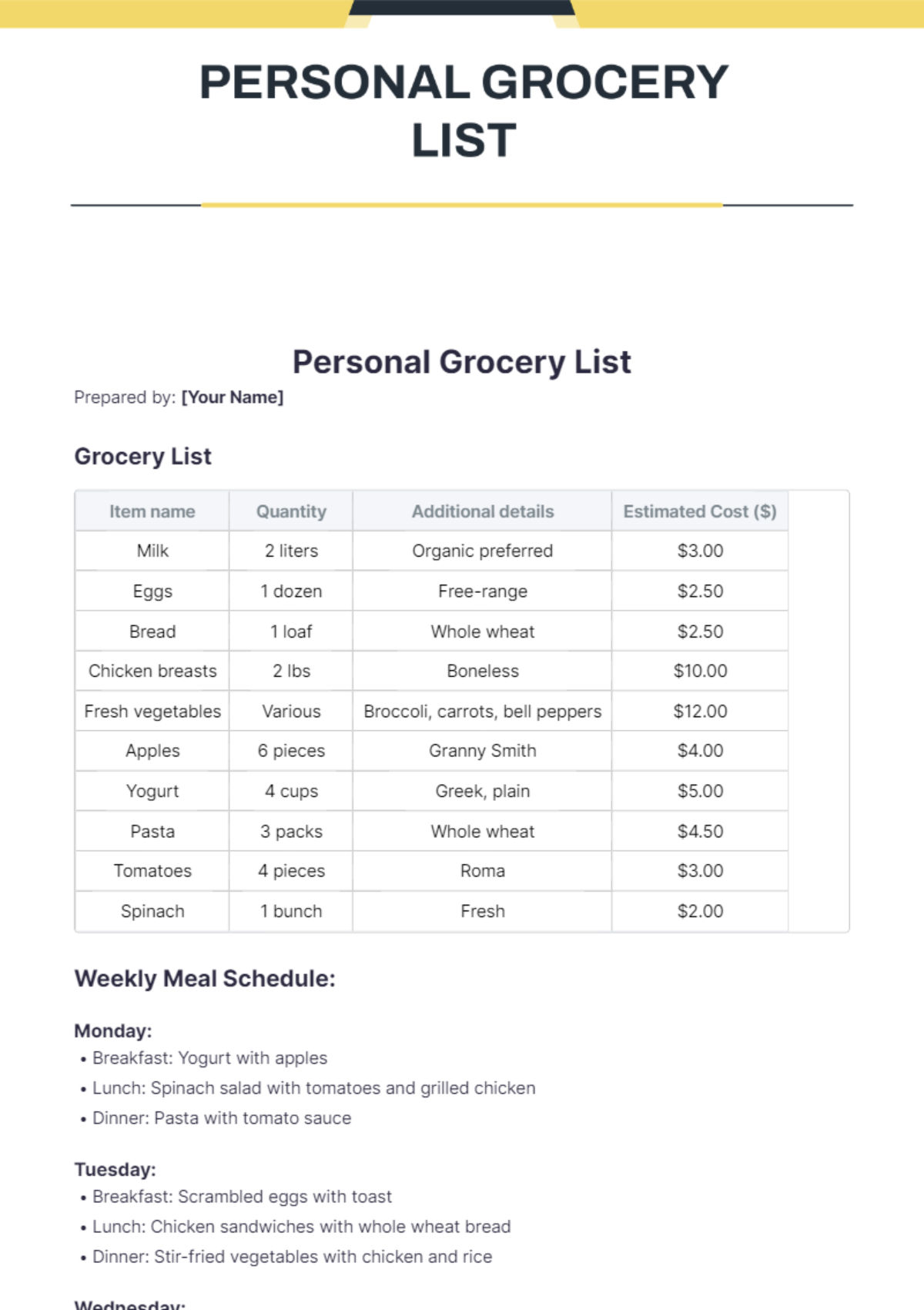
Free Ingredients List Template to Edit Online