We all love a good phrase that turns a simple sentence into a burst of personality. Whether you’re chatting with friends, crafting a social‑media post, or polishing a report, a well‑chosen idiom can add color, humor, or depth. This guide walks you through a curated list of idioms that feel fresh and relevant to today’s trend‑savvy readers—alongside practical tips for when and how to use them.
1. “Throw a curveball” – Keep Your Audience on Their To‑Do List
Picture this: You’re leading a team meeting and want to surprise everyone with a new initiative. Instead of saying “Let’s try something new,” you could say, “Let’s throw a curveball.” It signals a playful twist that keeps listeners engaged. The idiom works well in casual emails, pitches, or even a quick team chat.
2. “Bite the bullet” – When You’re Ready for a Bold Move
“Bite the bullet” evokes the idea of enduring a tough situation with courage—think of it as a motivational nudge. In a professional context, you might write, “We need to bite the bullet and upgrade our software system.” It reminds the reader that the task isn’t easy, but it’s necessary.
3. “Break the ice” – Warm Up Your Social Calendar
Using “break the ice” in a conversation opener signals friendliness and readiness to connect. For example, “Let’s break the ice with a quick round of two‑truths and a lie.” This idiom is especially handy when launching a new community group or a virtual meetup.
4. “On the same page” – Aligning Goals and Expectations
When coordinating projects, “on the same page” ensures everyone shares the same vision. You might say, “Let’s schedule a sync so we’re all on the same page before the launch.” This phrase is concise, widely understood, and fits both formal and informal settings.
5. “Burn the midnight oil” – Highlighting Hard Work
“Burn the midnight oil” conjures images of late‑night dedication. In an email to a colleague, you could add, “I’ll be burning the midnight oil to finish the draft by tomorrow.” It’s a classic idiom that still feels relevant to the hustle culture of many workplaces.
6. “Call it a day” – Wrapping Up Productivity Sessions
After a productive day, you can wrap up with “Let’s call it a day.” It signals closure without sounding abrupt. You might pair it with a friendly tone: “Great job on the presentation—let’s call it a day and recharge for tomorrow’s brainstorm.”
7. “Speak of the devil” – A Surprise Reunion Moment
When an unexpected person appears, “Speak of the devil” adds a touch of surprise. For instance, “We were just talking about you—speak of the devil, there you are!” It’s a lighthearted way to acknowledge spontaneous encounters.
8. “Get the ball rolling” – Kick‑off for Creative Projects
“Get the ball rolling” signals initiative. Use it when launching a new marketing campaign: “Let’s get the ball rolling on the spring ad series.” It’s action‑oriented and energizes the team.
9. “Hit the ground running” – Transitioning Smoothly into New Roles
When someone starts a new job, wishing them to “hit the ground running” conveys support for a fast start. Example: “Congratulations on the new role—hope you hit the ground running!”
10. “Pull up your socks” – Encouraging Improvement
Use “pull up your socks” to motivate a colleague to refine their performance: “Let’s pull up our socks and aim for a 20% increase in leads.” It’s a friendly nudge rather than a critique.
When to Sprinkle Idioms in Your Writing
- Opening remarks or introductions – A well‑placed idiom can instantly hook readers.
- Summaries or conclusions – Wrap up with a memorable phrase to leave a lasting impression.
- Informal communications – Emails, chat messages, and social posts are prime spots for idioms.
- Storytelling sections – Idioms can add texture to anecdotes or case studies.
Common Pitfalls to Avoid
- Overuse – Too many idioms can make writing feel cluttered; use them sparingly.
- Misinterpretation – Ensure the idiom’s meaning matches the context; otherwise, you risk confusion.
- Cultural mismatch – Some idioms may not translate well internationally; stick to universally recognized ones if targeting a global audience.
Visual Boost – A Modern To‑Do Planner
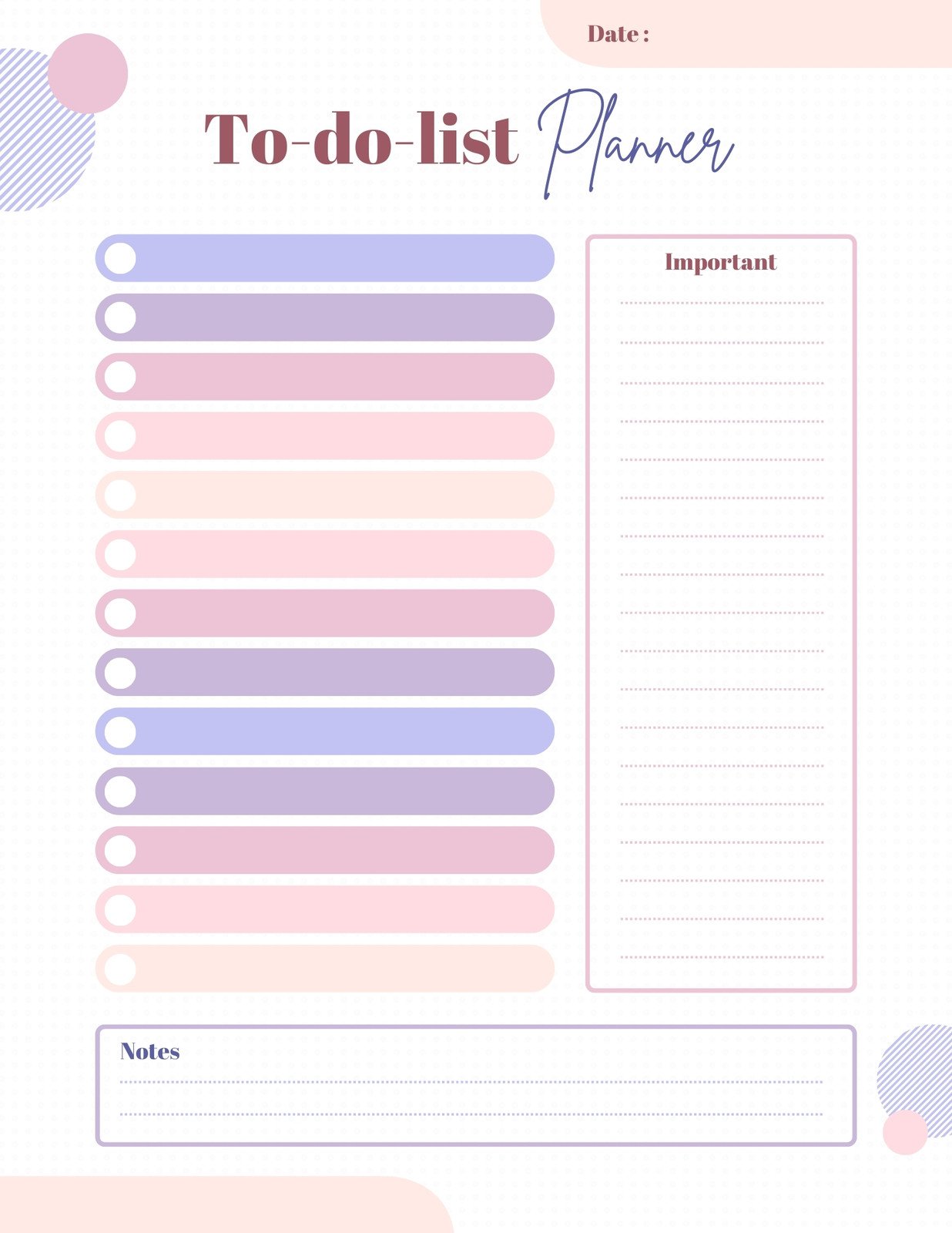
Keeping track of your idiom usage can feel just as organized as a to‑do list. Download a printable planner (like the one above) and mark when you’ve used each idiom in your daily communications. It turns language practice into a fun, tangible habit.
Takeaway: Idioms as Conversation Catalysts
Idioms are more than quirky phrases—they’re linguistic shortcuts that convey shared cultural knowledge. By selecting the right idiom for the right moment, you add flavor, build rapport, and keep your writing lively. Experiment with these ten expressions, jot them into your planner, and watch your conversations—and your confidence—thrive.
We all love a good phrase that turns a simple sentence into a burst of personality. Whether you’re chatting with friends, crafting a social‑media post, or polishing a report, a well‑chosen idiom can add color, humor, or depth. This guide walks you through a curated list of idioms that feel fresh and relevant to today’s trend‑savvy readers—alongside practical tips for when and how to use them.
1. “Throw a curveball” – Keep Your Audience on Their To‑Do List
Picture this: You’re leading a team meeting and want to surprise everyone with a new initiative. Instead of saying “Let’s try something new,” you could say, “Let’s throw a curveball.” It signals a playful twist that keeps listeners engaged. The idiom works well in casual emails, pitches, or even a quick team chat.
2. “Bite the bullet” – When You’re Ready for a Bold Move
“Bite the bullet” evokes the idea of enduring a tough situation with courage—think of it as a motivational nudge. In a professional context, you might write, “We need to bite the bullet and upgrade our software system.” It reminds the reader that the task isn’t easy, but it’s necessary.
3. “Break the ice” – Warm Up Your Social Calendar
Using “break the ice” in a conversation opener signals friendliness and readiness to connect. For example, “Let’s break the ice with a quick round of two‑truths and a lie.” This idiom is especially handy when launching a new community group or a virtual meetup.
4. “On the same page” – Aligning Goals and Expectations
When coordinating projects, “on the same page” ensures everyone shares the same vision. You might say, “Let’s schedule a sync so we’re all on the same page before the launch.” This phrase is concise, widely understood, and fits both formal and informal settings.
5. “Burn the midnight oil” – Highlighting Hard Work
“Burn the midnight oil” conjures images of late‑night dedication. In an email to a colleague, you could add, “I’ll be burning the midnight oil to finish the draft by tomorrow.” It’s a classic idiom that still feels relevant to the hustle culture of many workplaces.
6. “Call it a day” – Wrapping Up Productivity Sessions
After a productive day, you can wrap up with “Let’s call it a day.” It signals closure without sounding abrupt. You might pair it with a friendly tone: “Great job on the presentation—let’s call it a day and recharge for tomorrow’s brainstorm.”
7. “Speak of the devil” – A Surprise Reunion Moment
When an unexpected person appears, “Speak of the devil” adds a touch of surprise. For instance, “We were just talking about you—speak of the devil, there you are!” It’s a lighthearted way to acknowledge spontaneous encounters.
8. “Get the ball rolling” – Kick‑off for Creative Projects
“Get the ball rolling” signals initiative. Use it when launching a new marketing campaign: “Let’s get the ball rolling on the spring ad series.” It’s action‑oriented and energizes the team.
9. “Hit the ground running” – Transitioning Smoothly into New Roles
When someone starts a new job, wishing them to “hit the ground running” conveys support for a fast start. Example: “Congratulations on the new role—hope you hit the ground running!”
10. “Pull up your socks” – Encouraging Improvement
Use “pull up your socks” to motivate a colleague to refine their performance: “Let’s pull up our socks and aim for a 20% increase in leads.” It’s a friendly nudge rather than a critique.
When to Sprinkle Idioms in Your Writing
- Opening remarks or introductions – A well‑placed idiom can instantly hook readers.
- Summaries or conclusions – Wrap up with a memorable phrase to leave a lasting impression.
- Informal communications – Emails, chat messages, and social posts are prime spots for idioms.
- Storytelling sections – Idioms can add texture to anecdotes or case studies.
Common Pitfalls to Avoid
- Overuse – Too many idioms can make writing feel cluttered; use them sparingly.
- Misinterpretation – Ensure the idiom’s meaning matches the context; otherwise, you risk confusion.
- Cultural mismatch – Some idioms may not translate well internationally; stick to universally recognized ones if targeting a global audience.
Visual Boost – A Modern To‑Do Planner
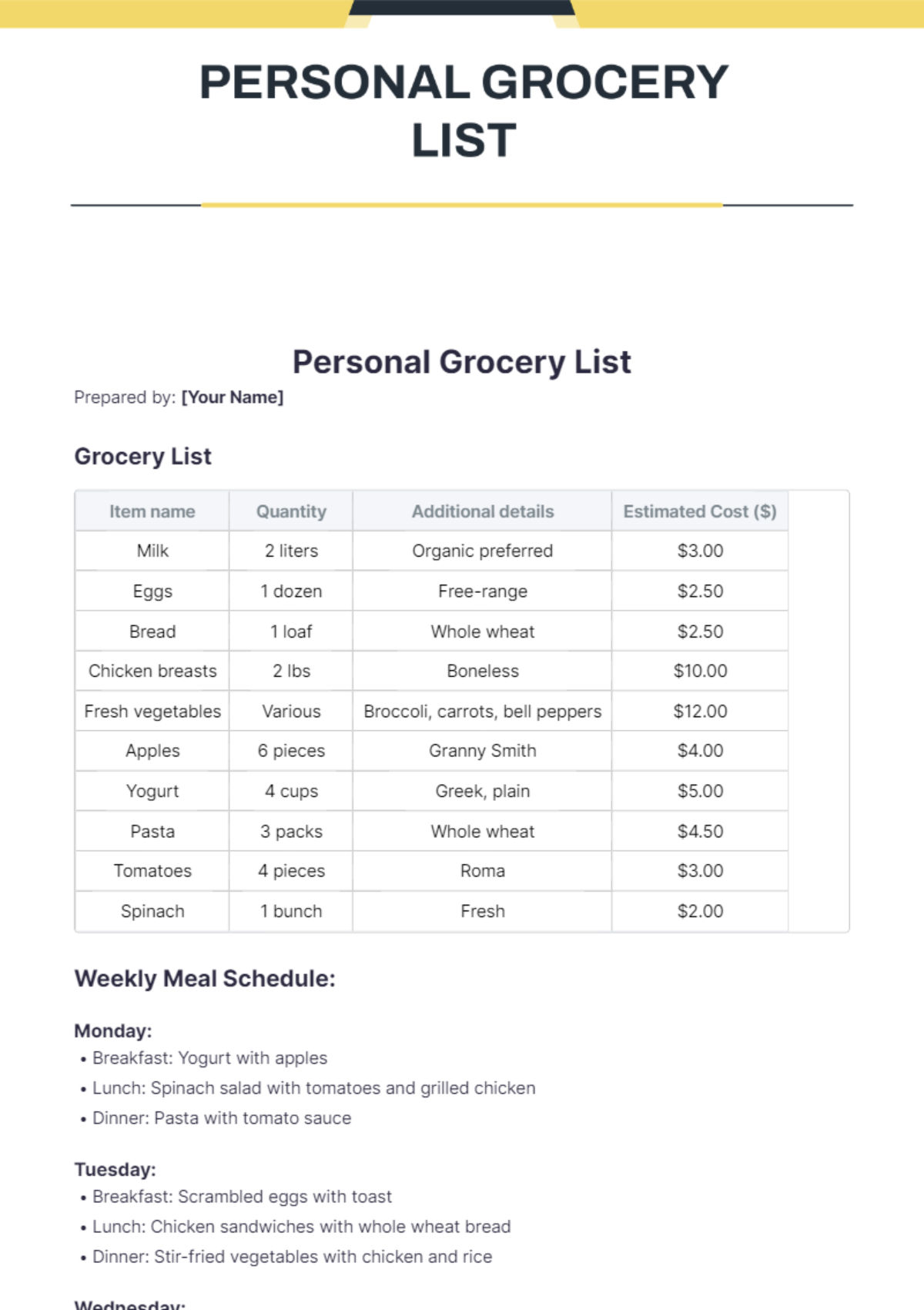
Keeping track of your idiom usage can feel just as organized as a to‑do list. Download a printable planner (like the one above) and mark when you’ve used each idiom in your daily communications. It turns language practice into a fun, tangible habit.
Takeaway: Idioms as Conversation Catalysts
Idioms are more than quirky phrases—they’re linguistic shortcuts that convey shared cultural knowledge. By selecting the right idiom for the right moment, you add flavor, build rapport, and keep your writing lively. Experiment with these ten expressions, jot them into your planner, and watch your conversations—and your confidence—thrive.
Daily To Do List Printable Pdf At Dylan Schmella Blog
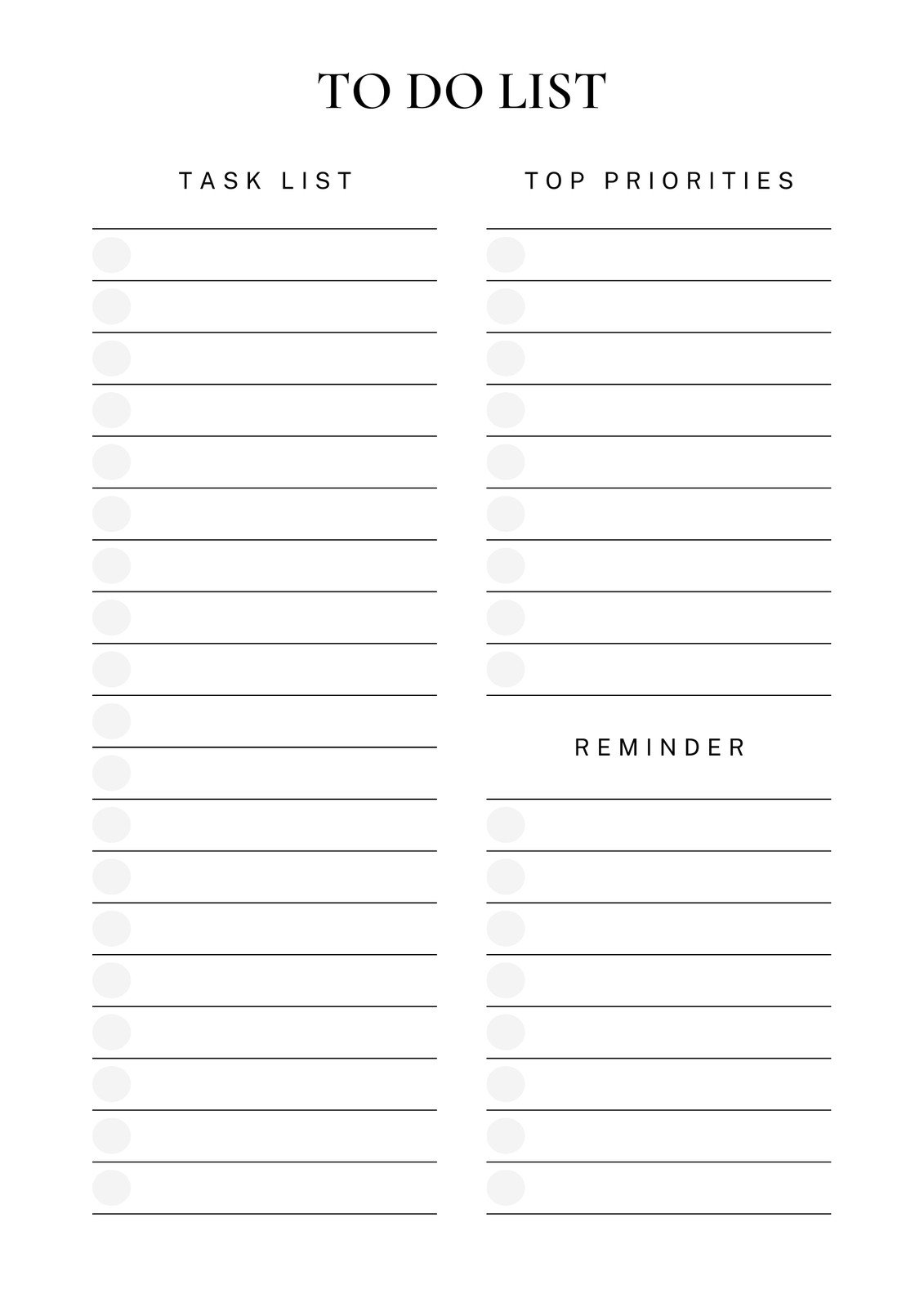
Daily To Do List Printable Pdf at Dylan Schmella blog
Vendor List Template In PDF, Word, Google Docs - Download | Template.net
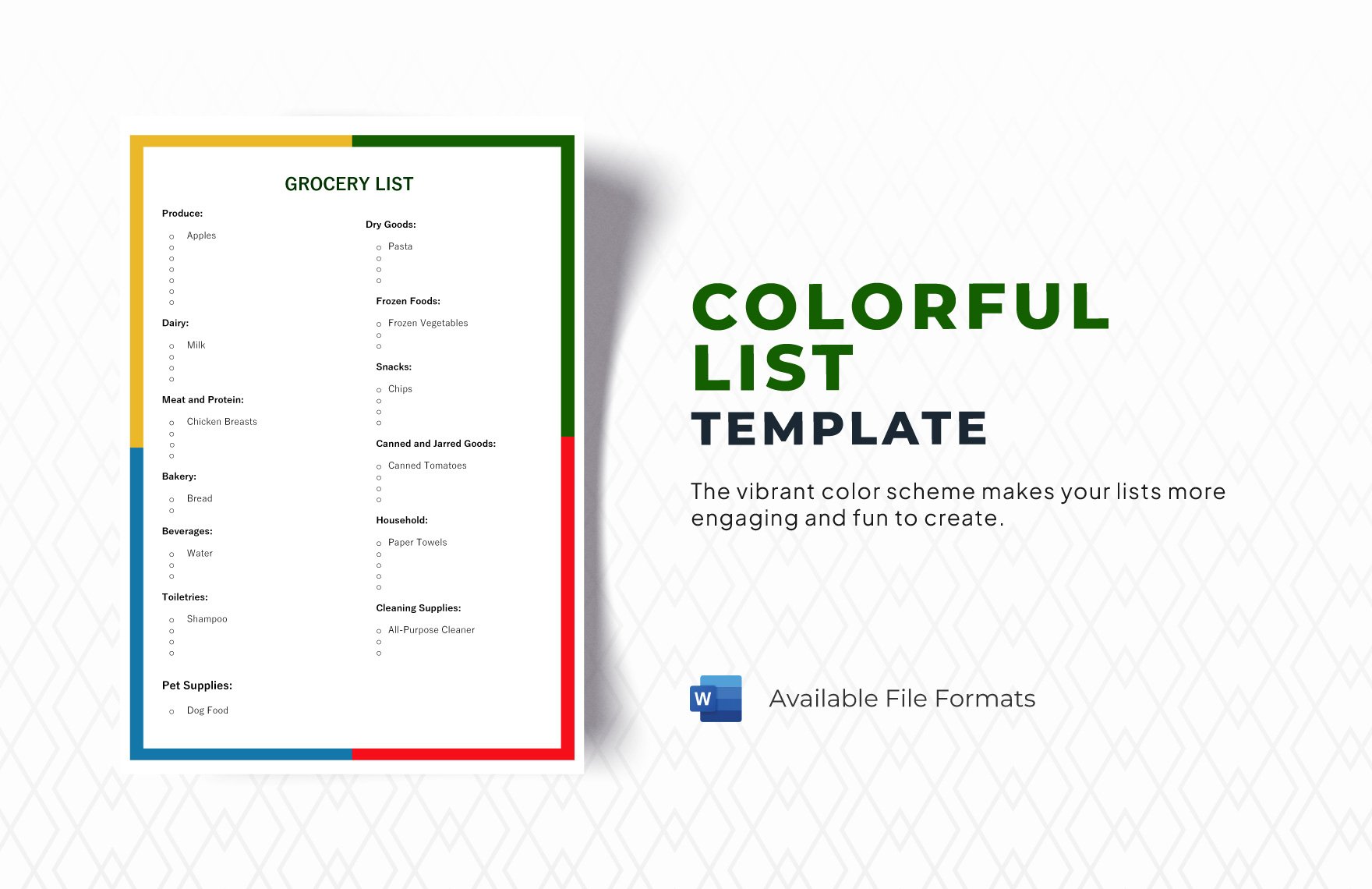
Vendor List Template in PDF, Word, Google Docs - Download | Template.net
Client List Template In Excel, Google Sheets - Download | Template.net
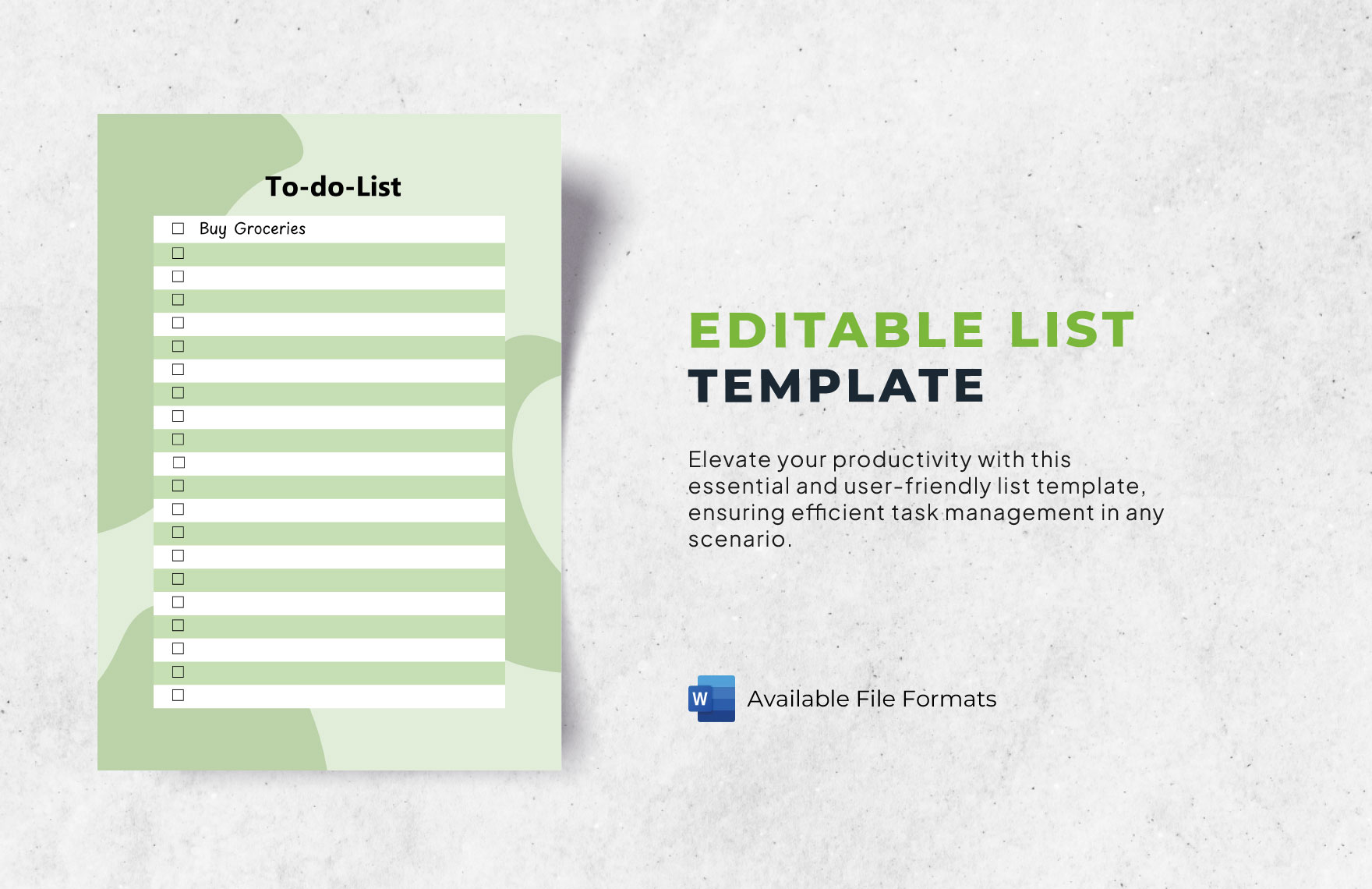
Client List Template in Excel, Google Sheets - Download | Template.net
Free Ingredients List Template To Edit Online
Free Ingredients List Template to Edit Online